Seven weeks out from surgery, my shoulder is feeling fantastic, and I can practically feel the operating room pulling me back. I’m scheduled to return to work in just a few weeks, which means the delightful, often surprising gift of this recovery time is nearing its end. This sense of finitude has injected a new urgency into the goals I set for this special period—particularly one key project.
Planting Trees You'll Never See
One of my primary goals has been to finish the final section of a book I’m co-authoring with my friend and surgeon, Dr. Christopher Ahmad, tentatively titled The Back Nine: Planning Your Legacy, Maximizing Your Impact, and Transitioning Gracefully. This exploration has been profound, especially my research into the concept of legacy itself.
A powerful inspiration has been the book Legacy: What the All Blacks Can Teach Us About the Business of Life by James Kerr. The book distills the wisdom of the legendary New Zealand rugby team, the All Blacks, and their incorporation of Māori cultural concepts. The line that resonates with me most deeply is the team’s ethos: “Be a Good Ancestor. Plant trees you’ll never see.”
This concept is rooted in the Māori term “Whakapapa,” which translates to genealogy or lineage. It’s the recognition that you are a temporary custodian of a team, an organization, or a culture. Your job isn’t merely to perform well in the present; it’s to “leave the jersey in a better place” for future generations. Whakapapa creates a profound sense of connection to the past and an even deeper responsibility to the future, reinforcing that your personal actions are part of a much larger, ongoing narrative. “Being a good ancestor” means taking responsibility for the health, sustainability, and strength of the culture, systems, and values you inherit before you pass them on.
Ancestry in Family and Field
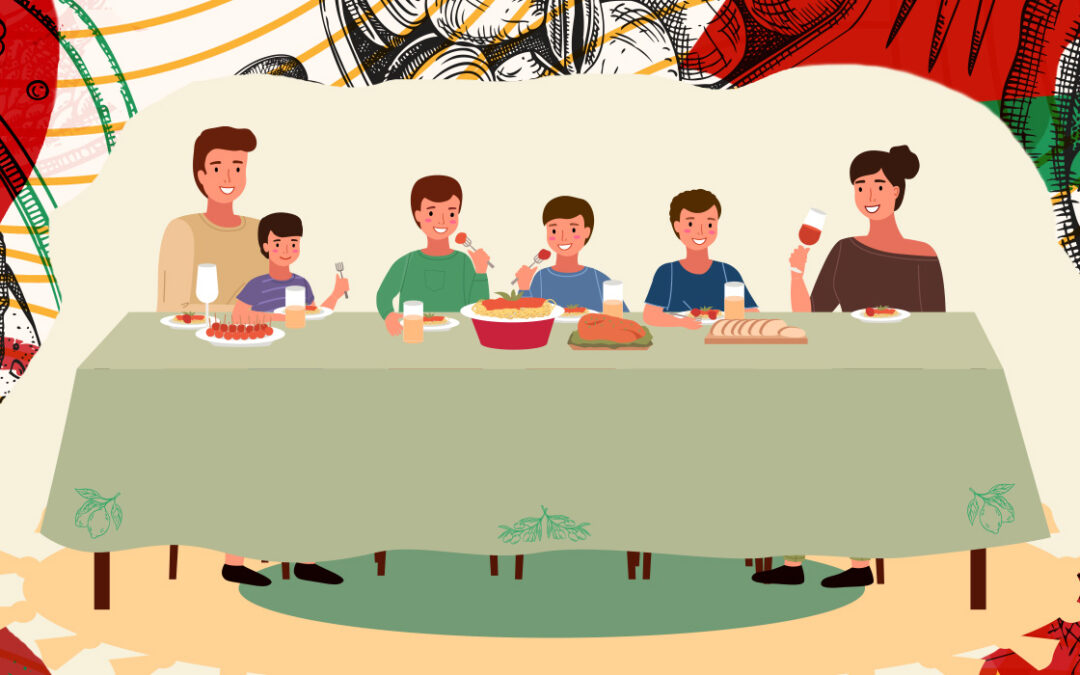
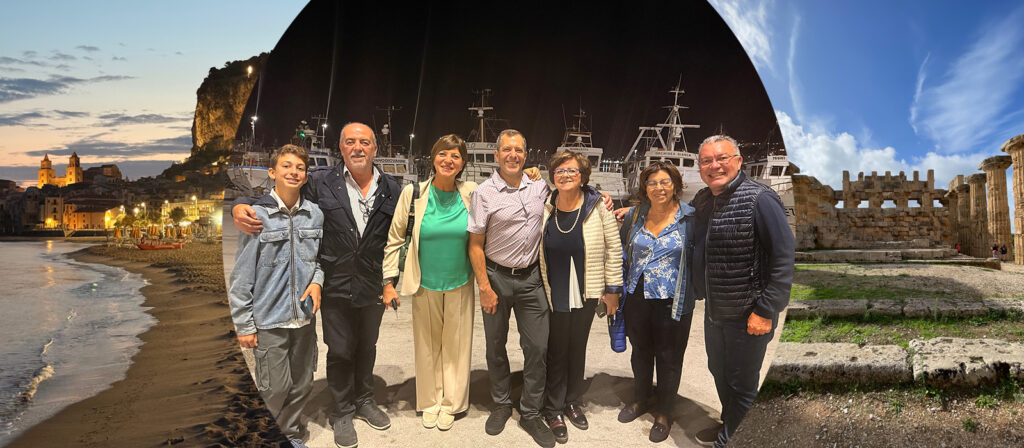
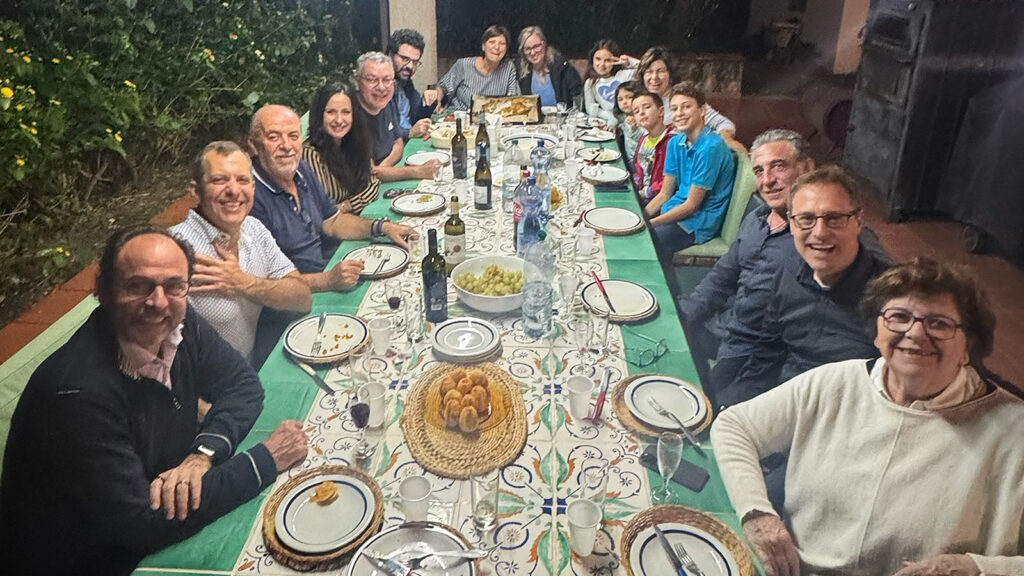
The idea of ancestry takes on many forms. My recent trip to Sicily, the birthplace of my father, was a conscious act of honoring my own personal lineage. Sitting at the table of my family’s ancestral home, sharing food with relatives and friends as my forebears have done for hundreds of years, was a profound experience. Prioritizing this visit during my convalescence and exposing my children to these transatlantic relatives is my way of connecting the generational dots.
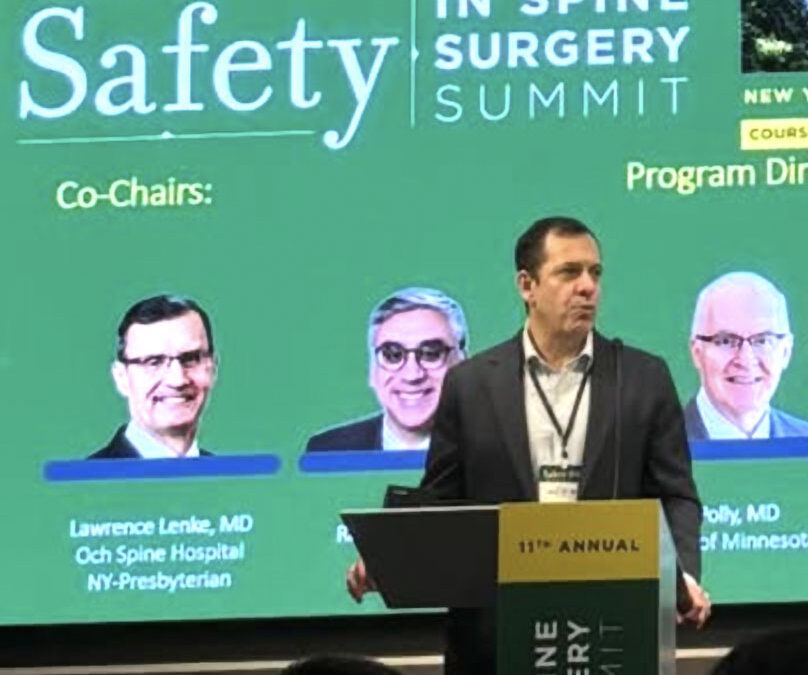
We also carry a distinct ancestry within the field of pediatric orthopedics and spine surgery. Everything I do is built upon the accumulated wisdom of our forebearers, from people like Russell Hibbs, who performed the first spine fusion at Columbia over a century ago. This professional legacy was passed down through surgeons like Dr. Hugo Kiem and Dr. David Roye, who instilled in me the passion for pediatric spine surgery. Now, I have the profound honor of continuing that lineage with my partners Dr. Ben Roye, Dr. Larry Lenke, and Dr. Taemin Oh. Together, we’ve grown our program into one of the nation’s busiest centers, built a research team that has made significant contributions, and founded the Spine Safety Summit to promote quality.
The Responsibility of the Relay Race
To deepen my understanding of institutional legacy, I recently interviewed Dr. Steve Corwin, the CEO of NewYork-Presbyterian. Having been at the helm for the entirety of my career, Dr. Corwin has navigated immense challenges while strengthening the organization, undoubtedly “planting trees” that position this institution for long-term success.
Our conversation culminated in some deeply powerful words on the responsibility of leadership and the nature of an enduring impact:
“If you want to make an enduring impact in a place like this, recognize that you are running a relay race. You’re handing off the baton to somebody. You want that handoff to be excellent. You want the person after you to be more successful than you… I think there are two types of CEOs. One kind believes they are indispensable and therefore don’t want the next person to succeed, because they believe nobody can do the job as well as they can. The other CEO says, ‘I want to set this up so that the person who succeeds me is better than I am.’ All jobs of impact have shelf lives; you have to decide: ‘Do I still have my fastball?’ And if I still have my fastball, I want to go out and use it but also recognize when it’s time. At a certain point in time, people need a different voice.”
The Quality of the Work We Leave Behind
Our names and personal reputations will eventually fade, overshadowed by the ceaseless march of time and the emergence of new heroes and heroines. Yet, it is precisely this temporal fragility that lends urgency to our work and our planning. For in the grand tapestry of life, it is not ultimately how we are remembered that defines our legacy, but the quality of the work we leave behind—the systems we fortify, the lives we touch, the difference we make. Legacy is not a monument to the self; it’s a foundation for others.
Because in the end, it is in passing the baton gracefully that we honor those who came before us and truly plant the trees for future generations.
What are your plans for “passing the baton”?