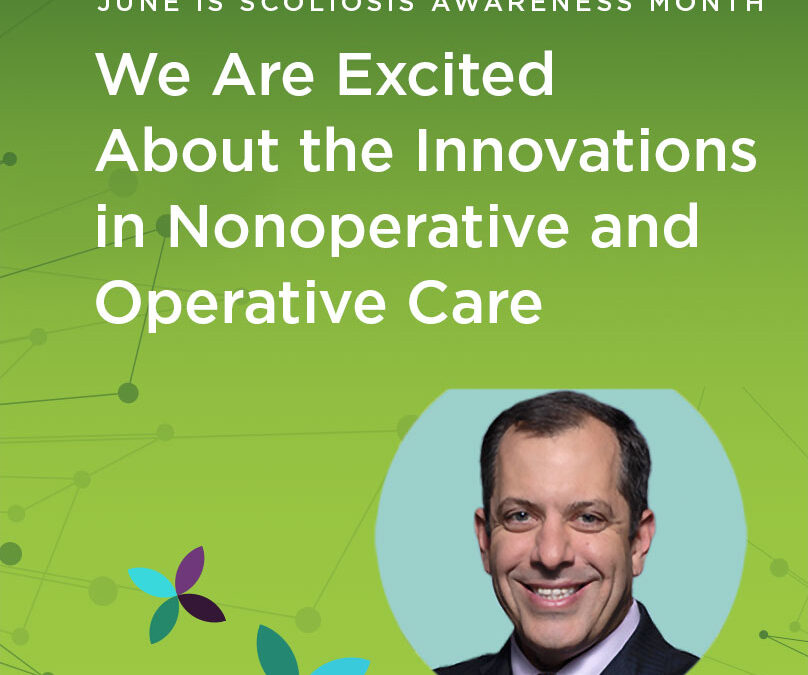
For some time now, I’ve been meaning to create a blog—a space to share reflections on the extreme privilege of being a pediatric spine surgeon, and snippets of advice gleaned from this fantastic yet arduous journey. Taking care of the most complex patients with some very challenging spine problems is a sacred responsibility, forcing constant reflection on how we can continue to improve in the many ways that allow us to do better for our patients. I say “we” as this is clearly a team sport. I have spent twenty-five years building the amazing team that is by my side, and have conducted extensive research on how specialized, dedicated, best-in-class teams improve care. With nearly 400 peer-reviewed articles, I’m no stranger to writing, but this is different.
Here, I hope to offer a glimpse into a book that my great friend and personal orthopedic surgeon, Dr. Christopher Ahmad, has been developing for years. In the hectic mix of professional career and family, finding time to put words on paper is a constant challenge. This is why I am profoundly grateful for a period of forced convalescence as I recover from a rotator cuff repair. I deeply value your time and appreciate you joining me on this journey.
THE GIFT OF STILLNESS
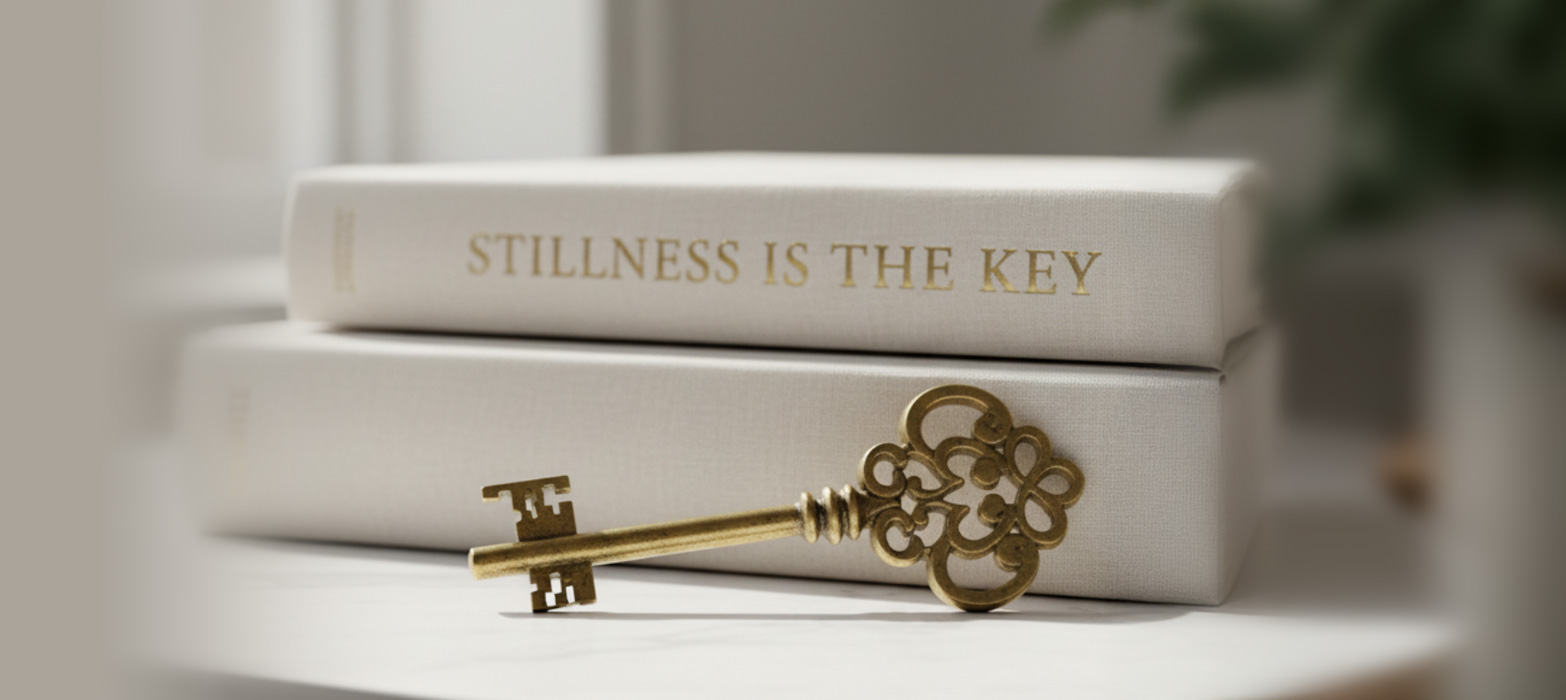
Replacing my typical 80-hour work week, filled with complex pediatric spine surgeries and patients visiting from around the globe, I now have a bit of time to pause. This “pause,” as described in Ryan Holiday’s Stillness is the Key, speaks to the idea that stillness is a prerequisite for creating a meaningful legacy and lasting life impact.
In our constantly busy and distracted world, the ability to slow down, think clearly, and act with purpose is what truly leads to growth. Holiday cites Winston Churchill as a prime example. While not a naturally calm person, Churchill deliberately incorporated stillness into his life as a tool for success. Despite being in the most high-pressure, stressful environment imaginable, he understood the importance of stillness in allowing him to be a deep strategic thinker and master communicator, which enabled him to foresee dangers and lead the world forward through crisis. In August of this year, I did twenty-one spine surgeries, each about 6-8 hours. I felt obligated to care for patients, especially those coming from far and especially those with complex problems. As Holiday notes in “Stillness is the Key,” “It’s Human Being, not Human Doing, for a reason. Remember, the main cause of injury for elite athletes is not injury or collision, it’s overuse. Many of us have gifts that are so extraordinary that we owe it to ourselves and the world to fulfill them, but we are not going to be able to do that if we have stretched ourselves too far….Protect the gift.”
MY PLAN FOR THE PAUSE
Over the next eight to ten weeks of forced stillness, I’ve developed an exciting plan that combines learning, time with family, academic pursuits, and some creative writing, which I will share with you. While it may seem better if my arm were not in a sling and if I had no limits on activities, I see this as a phenomenal opportunity to make a dry run at retirement and clarify my priorities. How can I continue to have an impact on “the back nine”?
Very often, a forced pause is permanent and accompanies a more significant diagnosis. The classic story comes from Randy Pausch’s memoir, “The Last Lecture.” A computer science professor at Carnegie Mellon, Pausch was diagnosed with terminal pancreatic cancer. However, he saw this as an opportunity for impact. In September 2000, he gave a now-famous lecture entitled “Achieving Your Childhood Dreams,” sharing life lessons and wisdom learned from his unique perspective. The lecture became a social media phenomenon, leading to a best-selling book that has inspired countless people facing life’s obstacles.
“MEMENTO MORI”: A POWERFUL REMINDER
In fact, the Stoics emphasize the importance of “memento mori,” a Latin phrase that translates to “remember that you must die.” Rather than being morbid, this can be a powerful tool for being more present and living a more meaningful life, filled with a recognition of what’s essential. As one of my dear friends and colleagues always reminds us, “it’s later than you think.”
I hope these reflections encourage you to think more critically about the immense opportunity we have to improve the lives of others on this planet.
What will you do if given a “forced pause”?